CNC manufacturing in wood and plastics for industry, workshops and instrument makers. One-offs, prototypes and production runs, from data preparation to the finished component. The machining strategy is matched to your component.
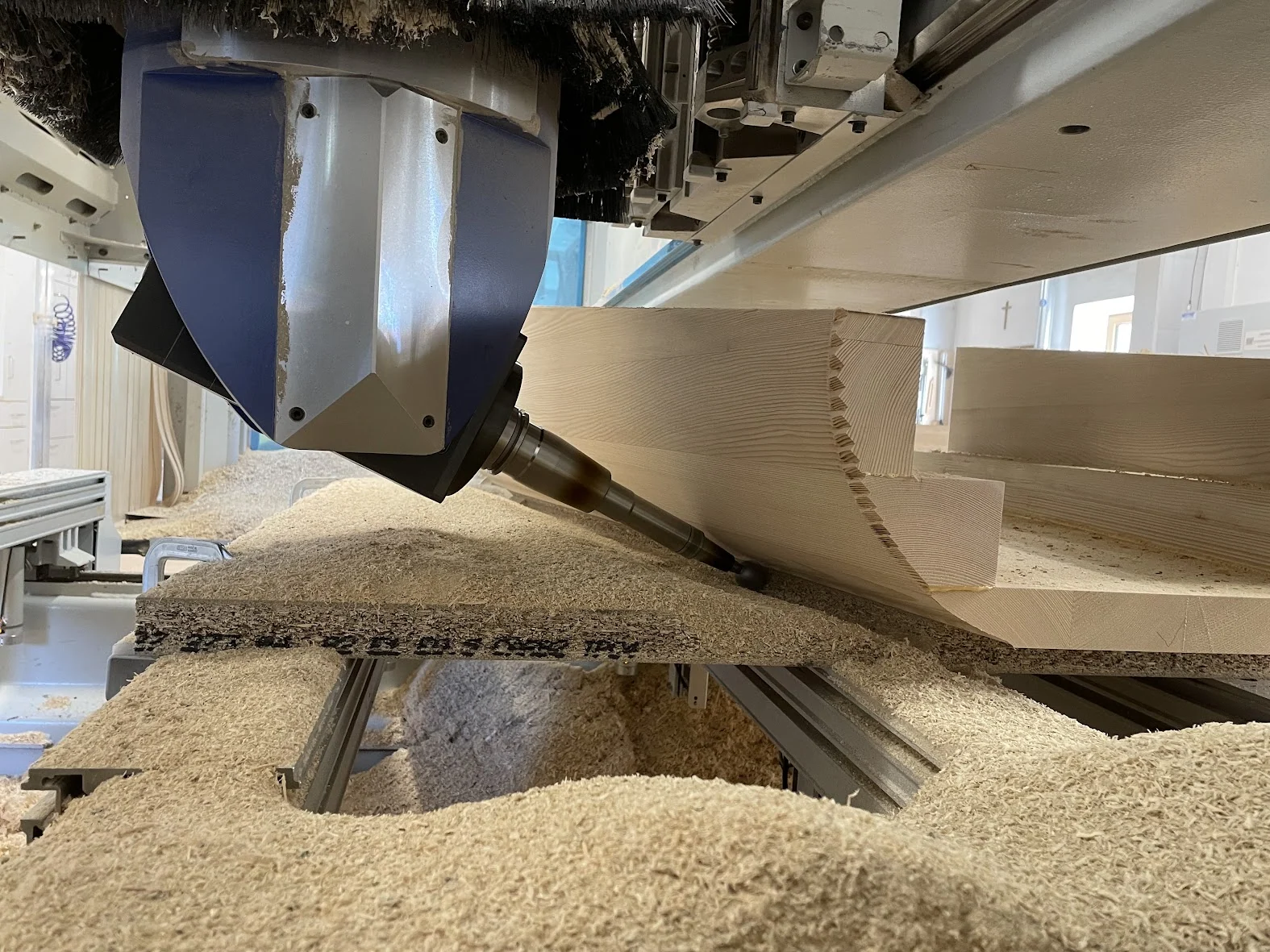
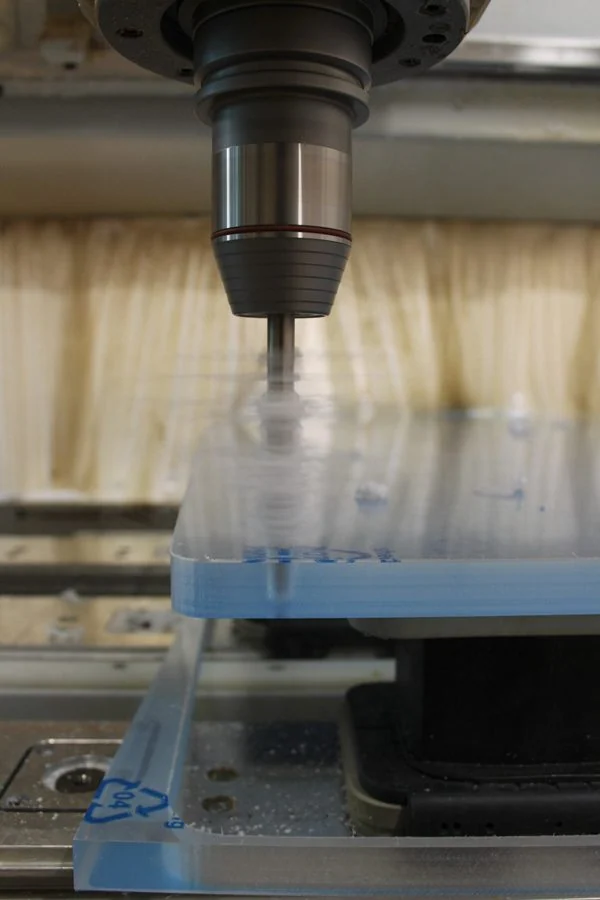
Undercut machining — an insight into our milling expertise.
Industry & supply / Mould making
The form for your workpiece.
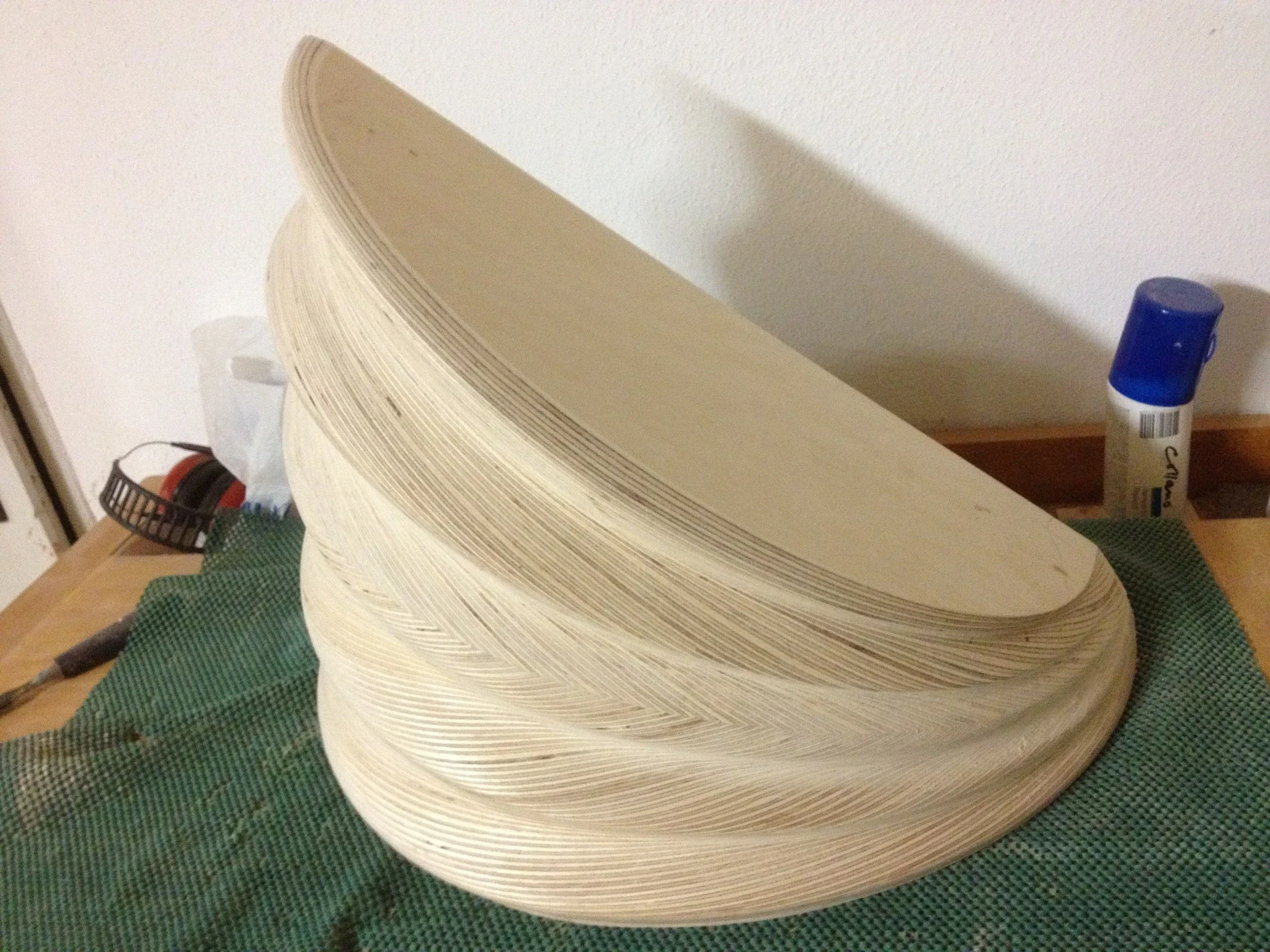
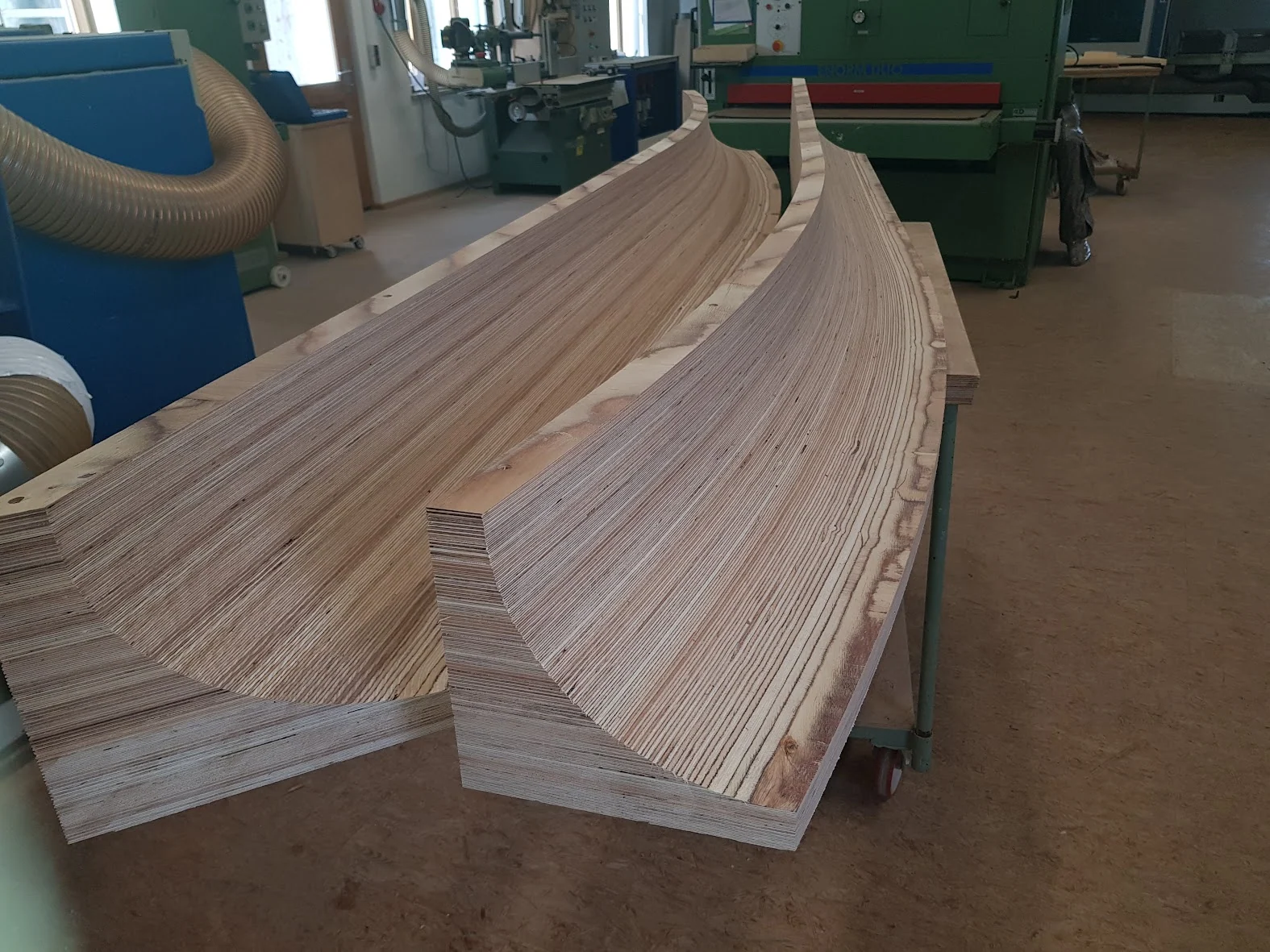
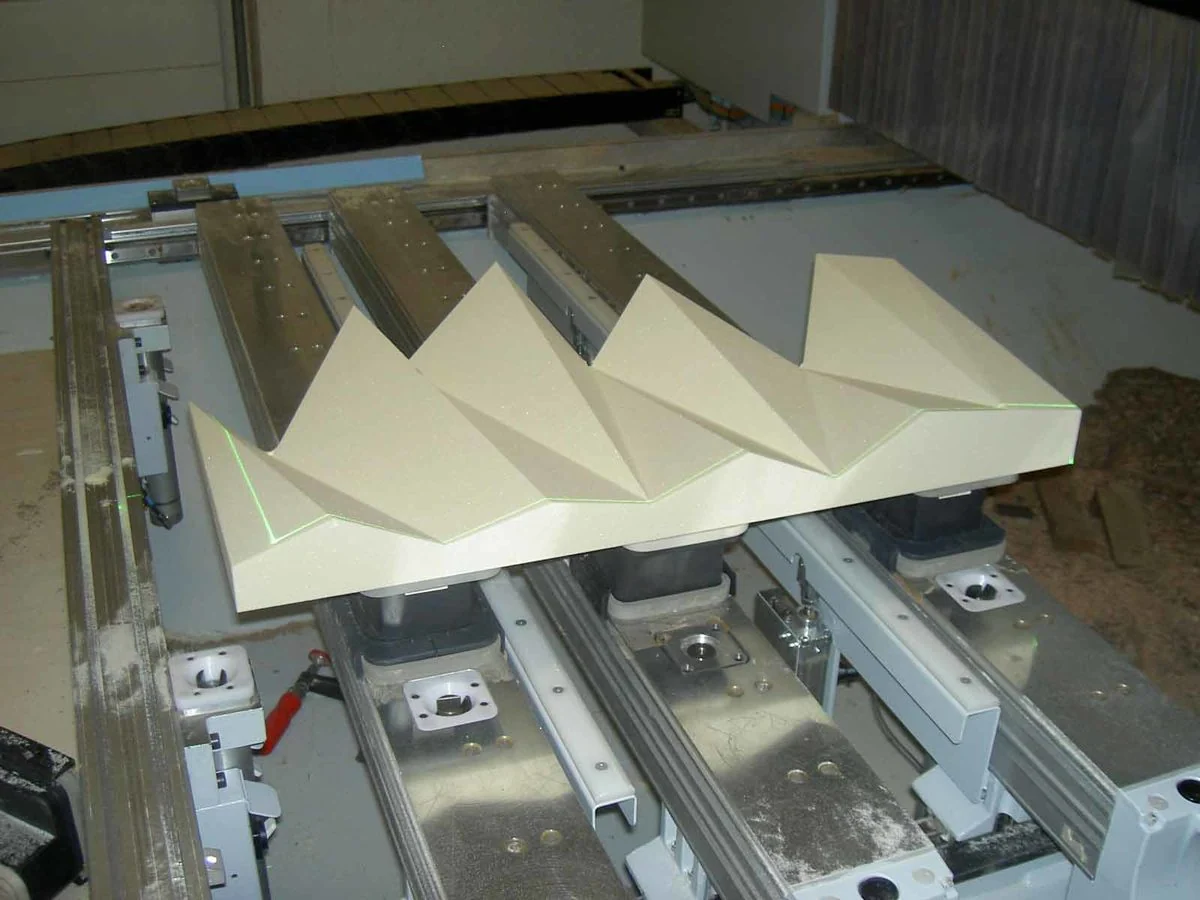
Moulds and pressing forms from your component data. We match the contour, construction and counter-form to the finished workpiece and pressing process.
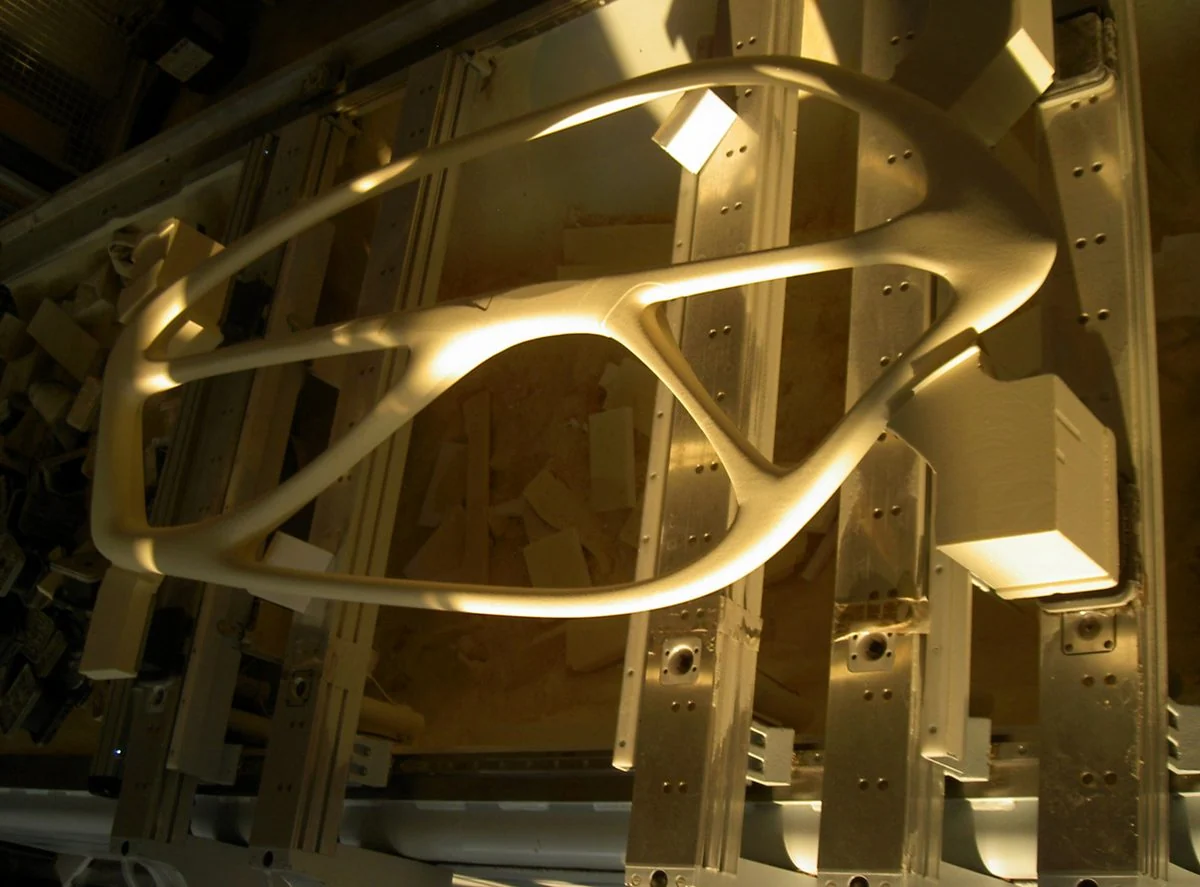
This example shows a three-dimensionally machined plywood pressing form. From the digital geometry to the finished form, we consider its intended application, including the counter-form and workholding concept.
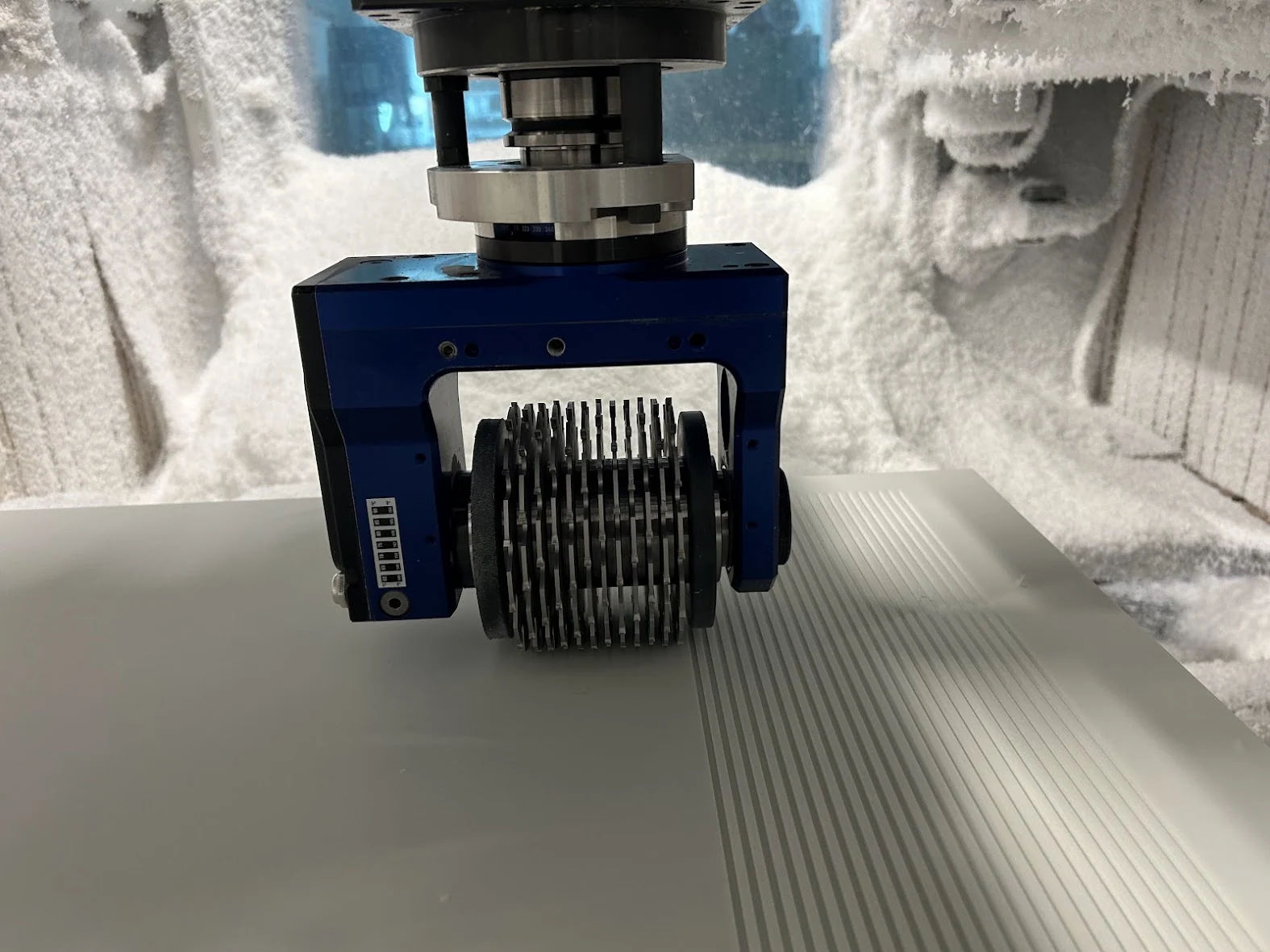
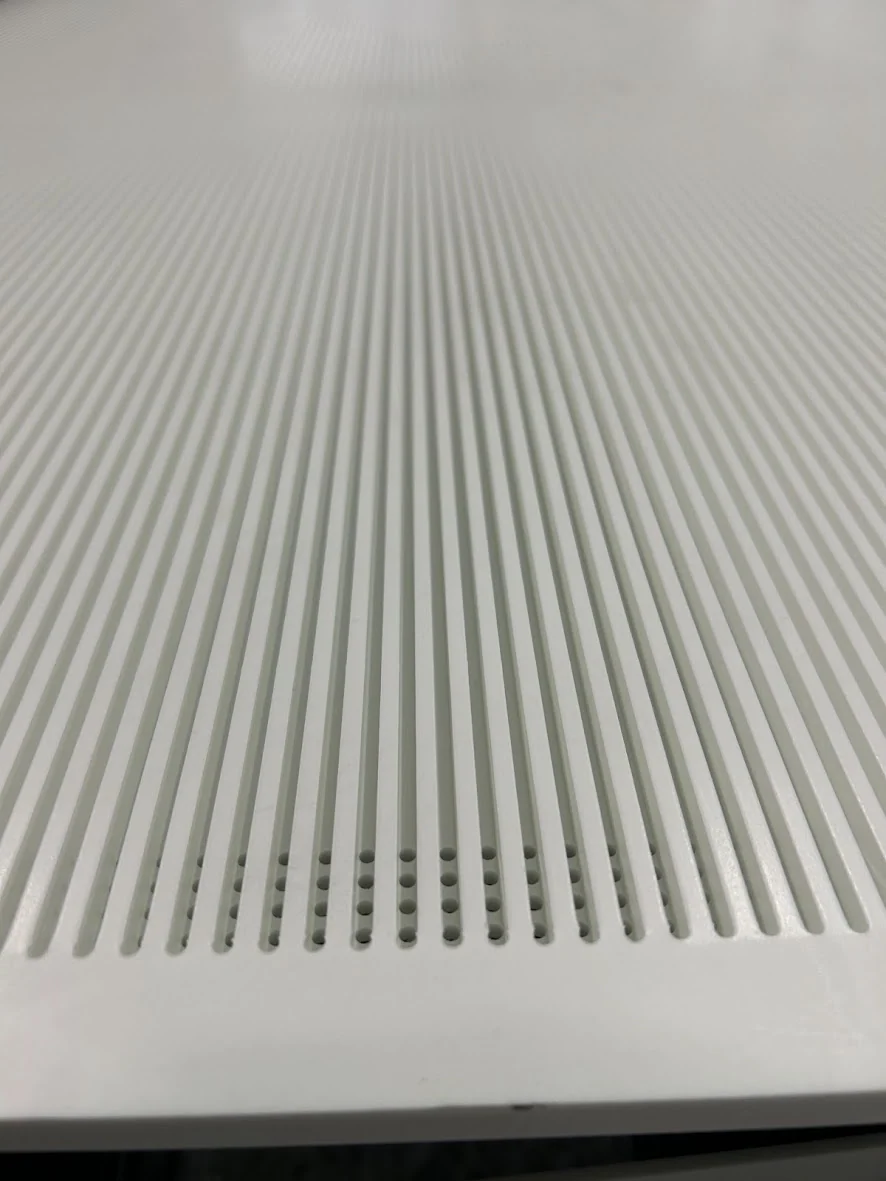
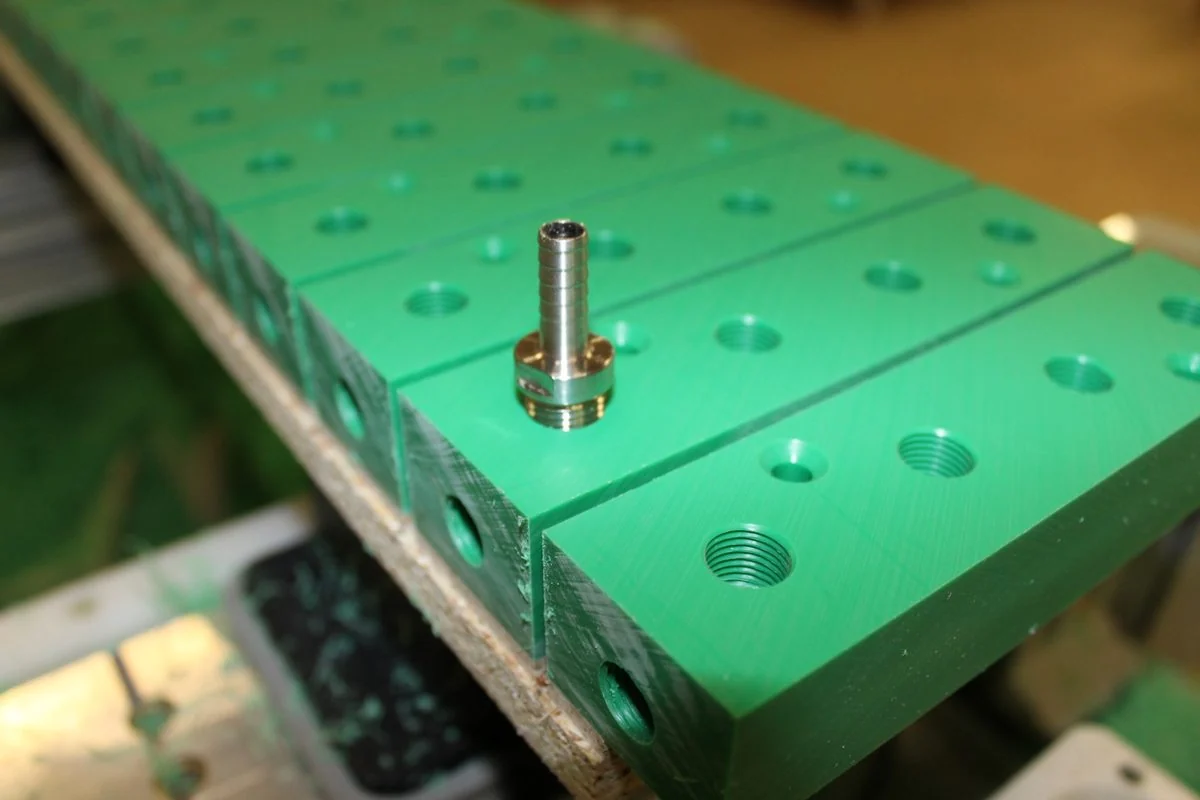
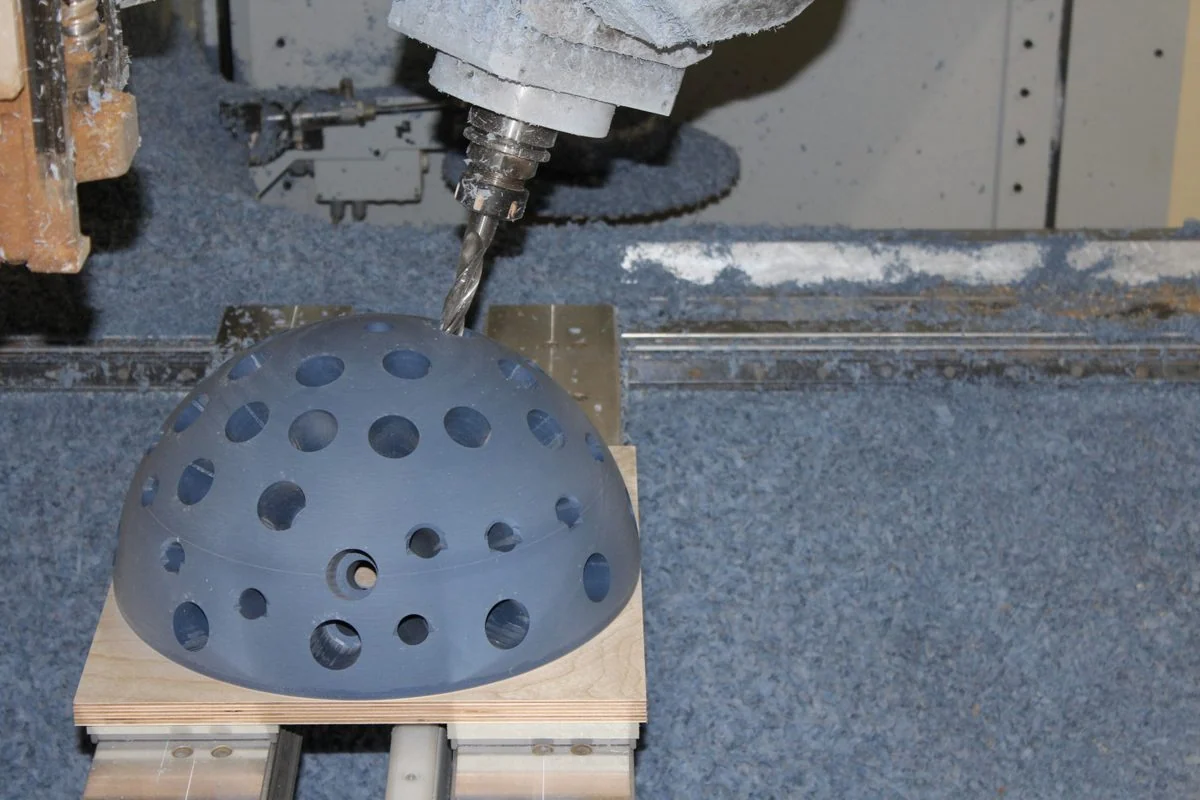
PTFE machining with an aggregate tool.View the PTFE component in detailPTFE component with parallel grooves and bores.
From our workshop
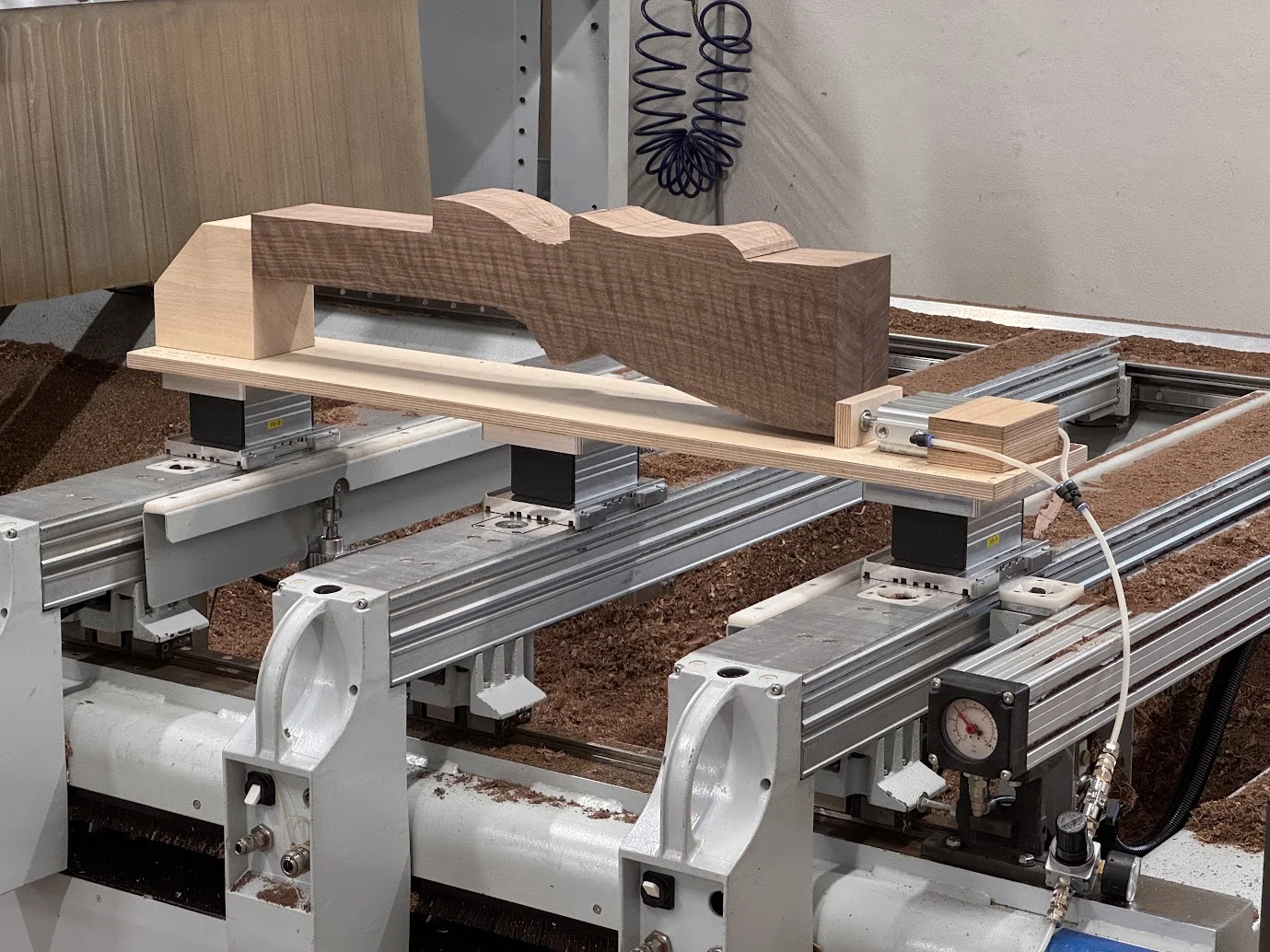
Considered down to the fixture.
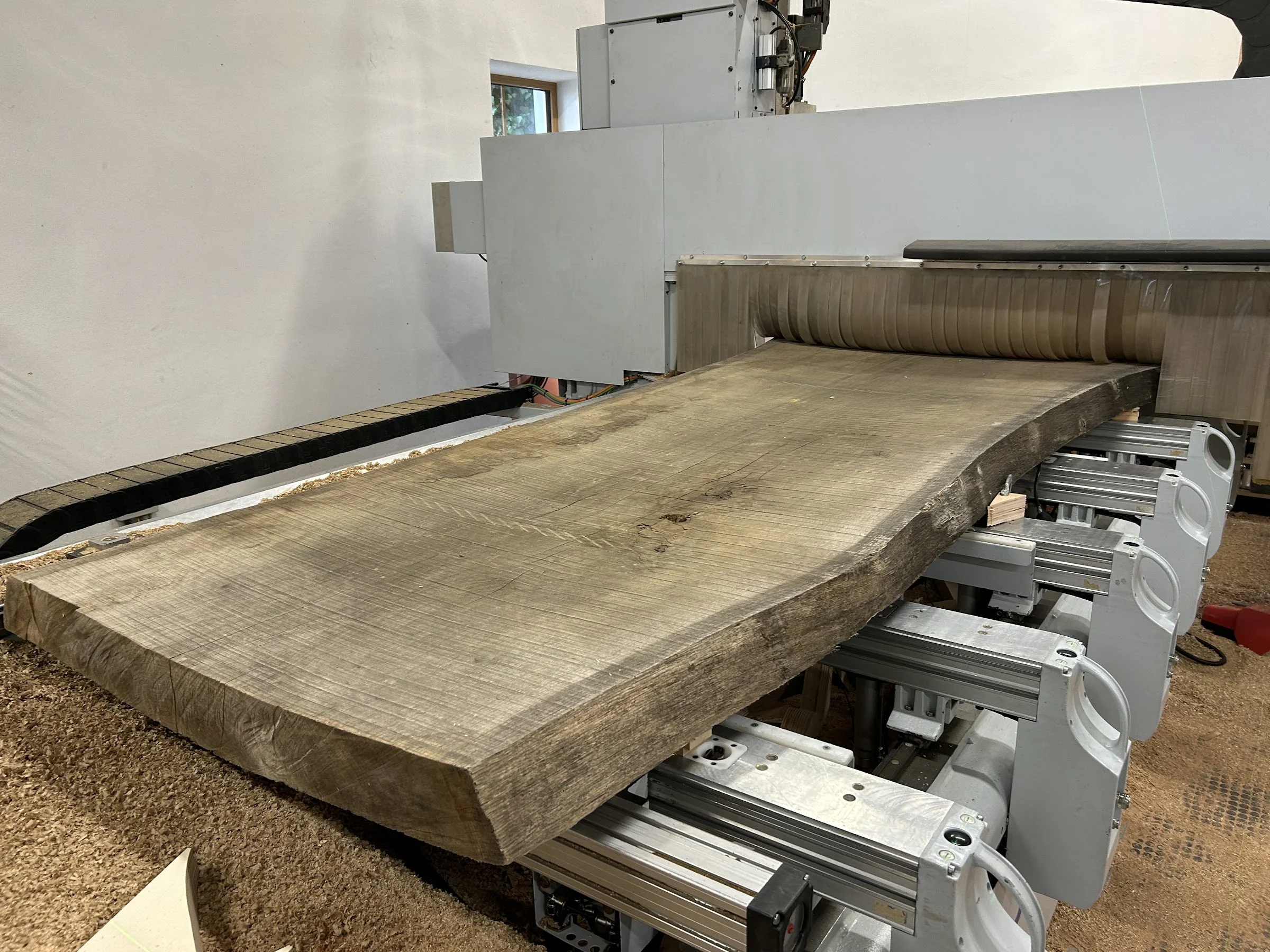
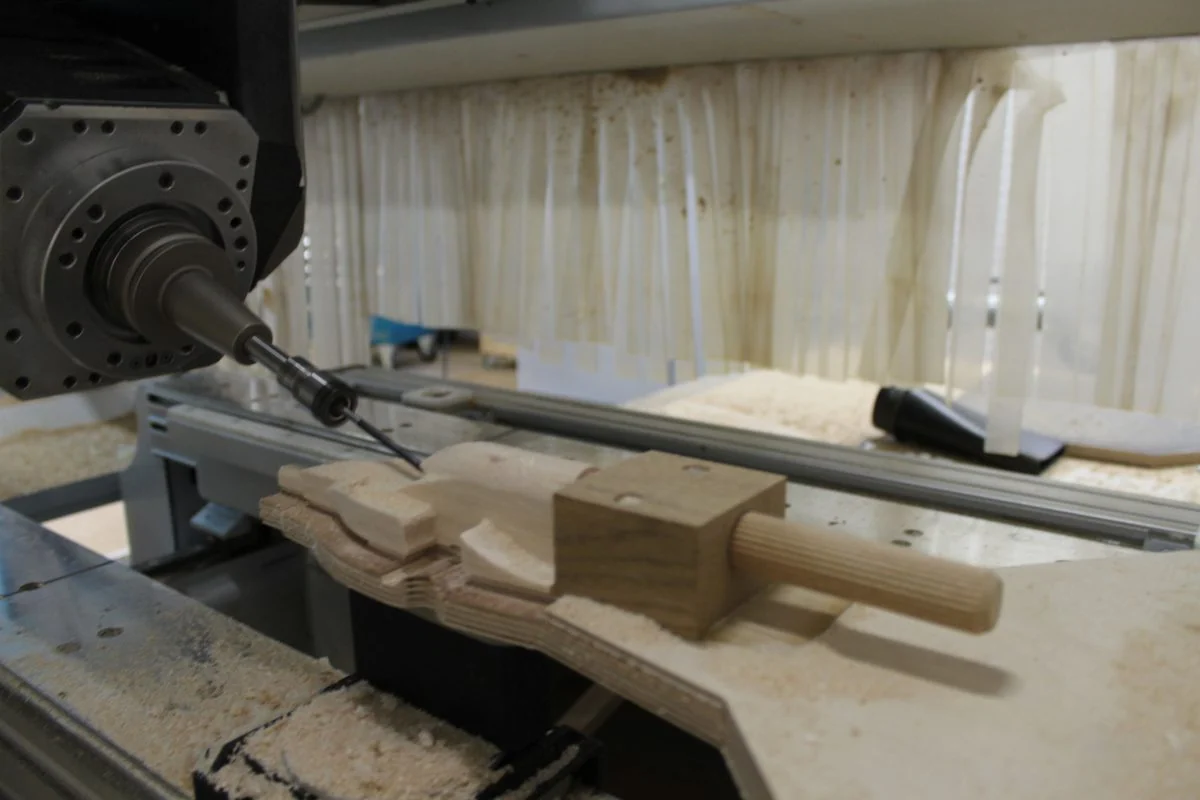
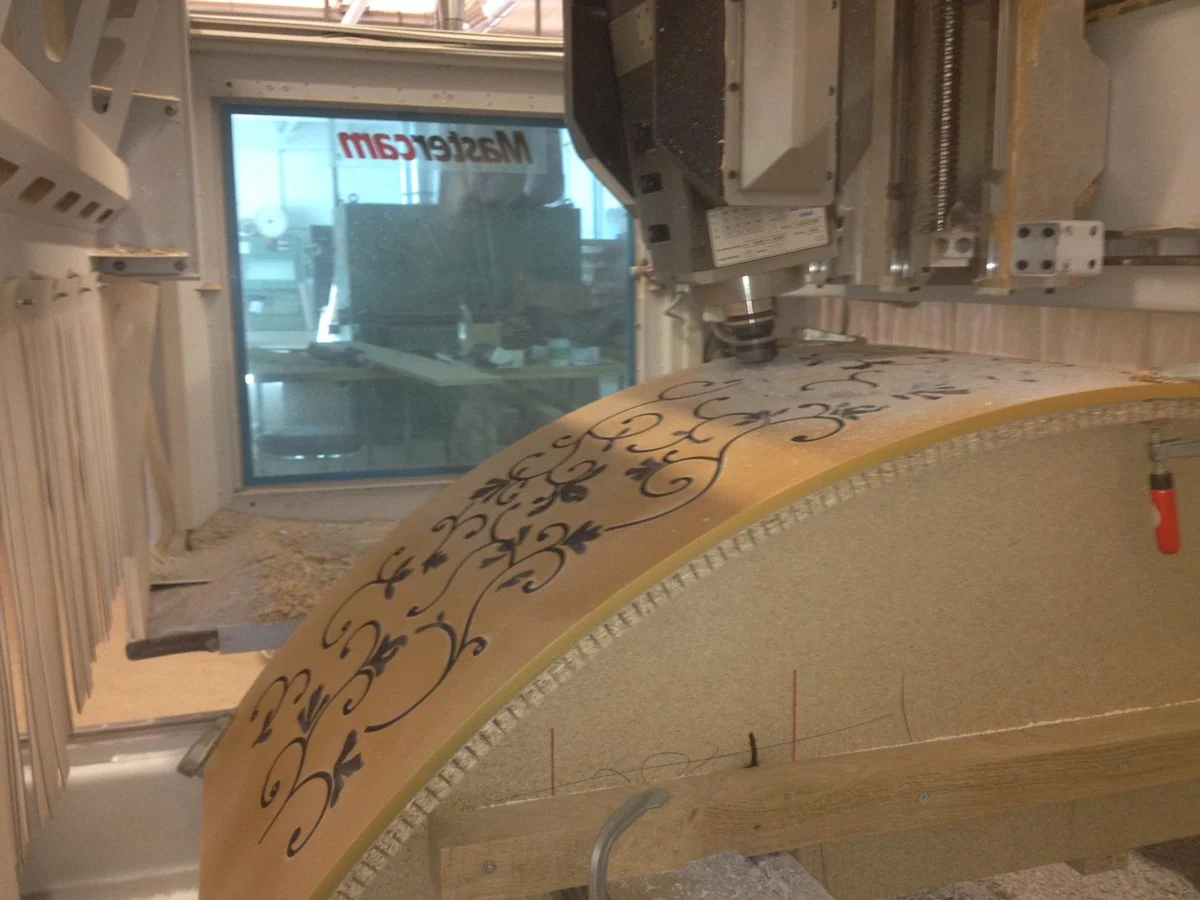
Workpiece and fixture on the CNC machine. Appropriate workholding is part of the manufacturing process.
Supply / Large components
Large components. Carefully prepared.
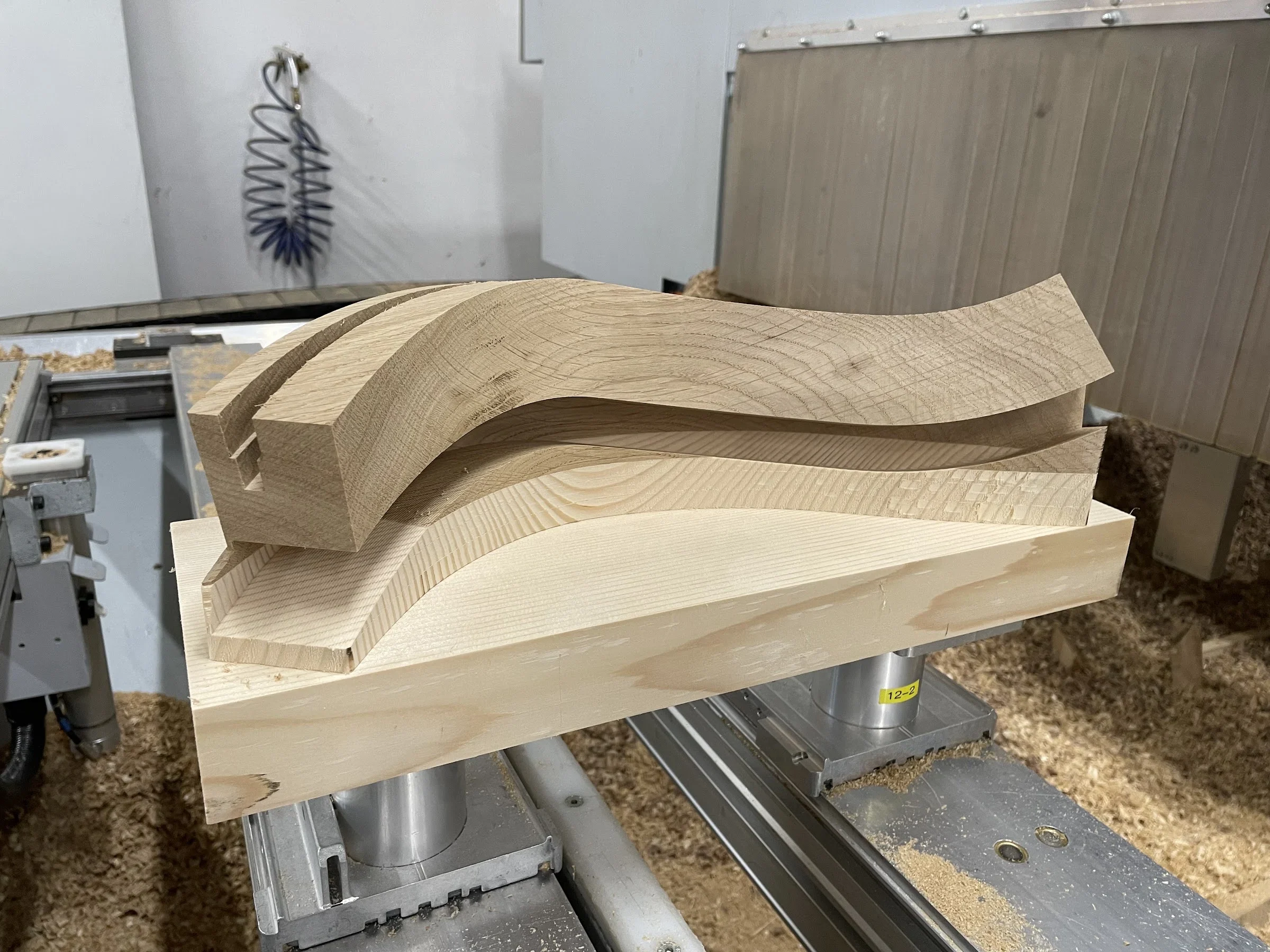
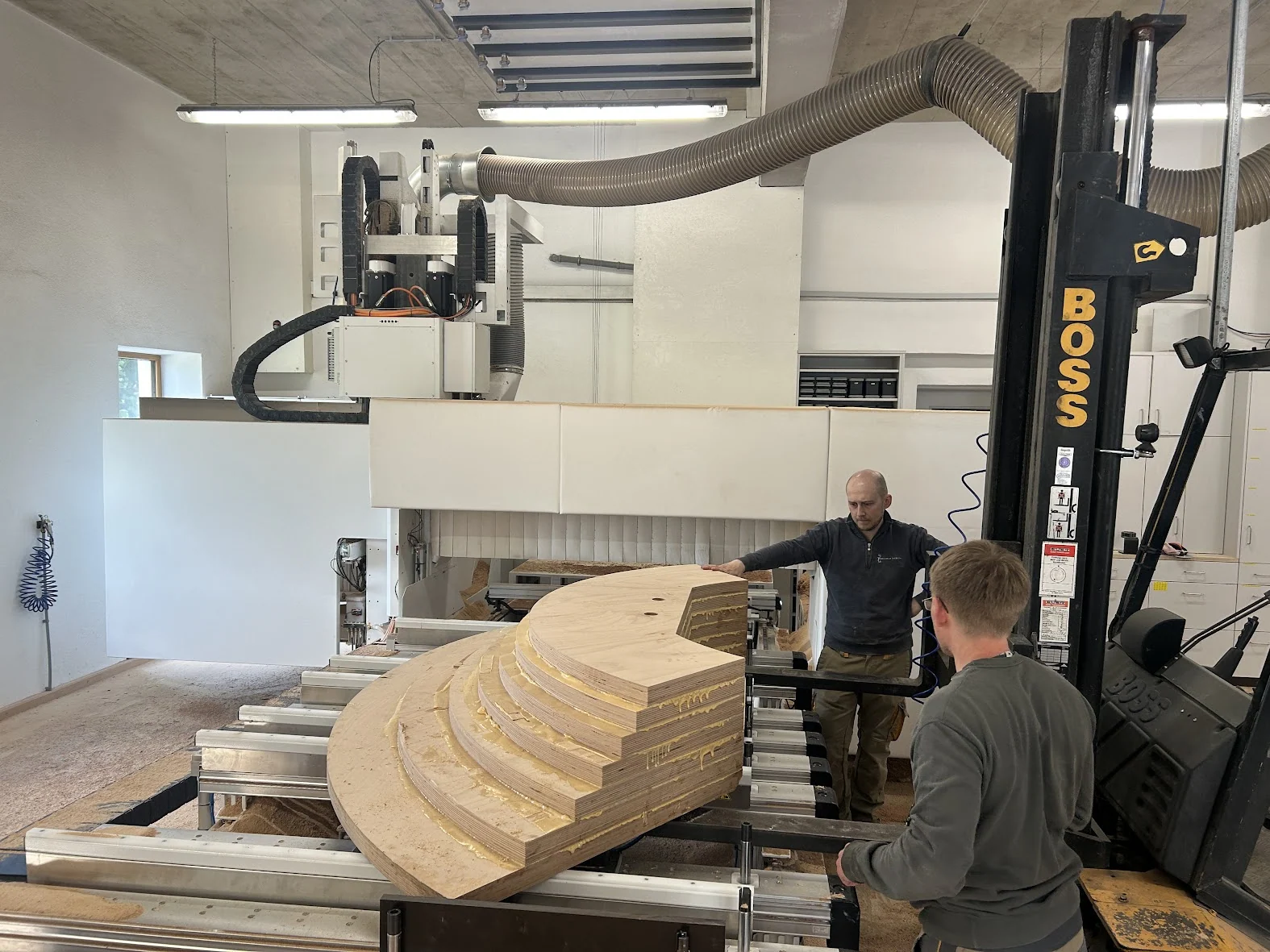
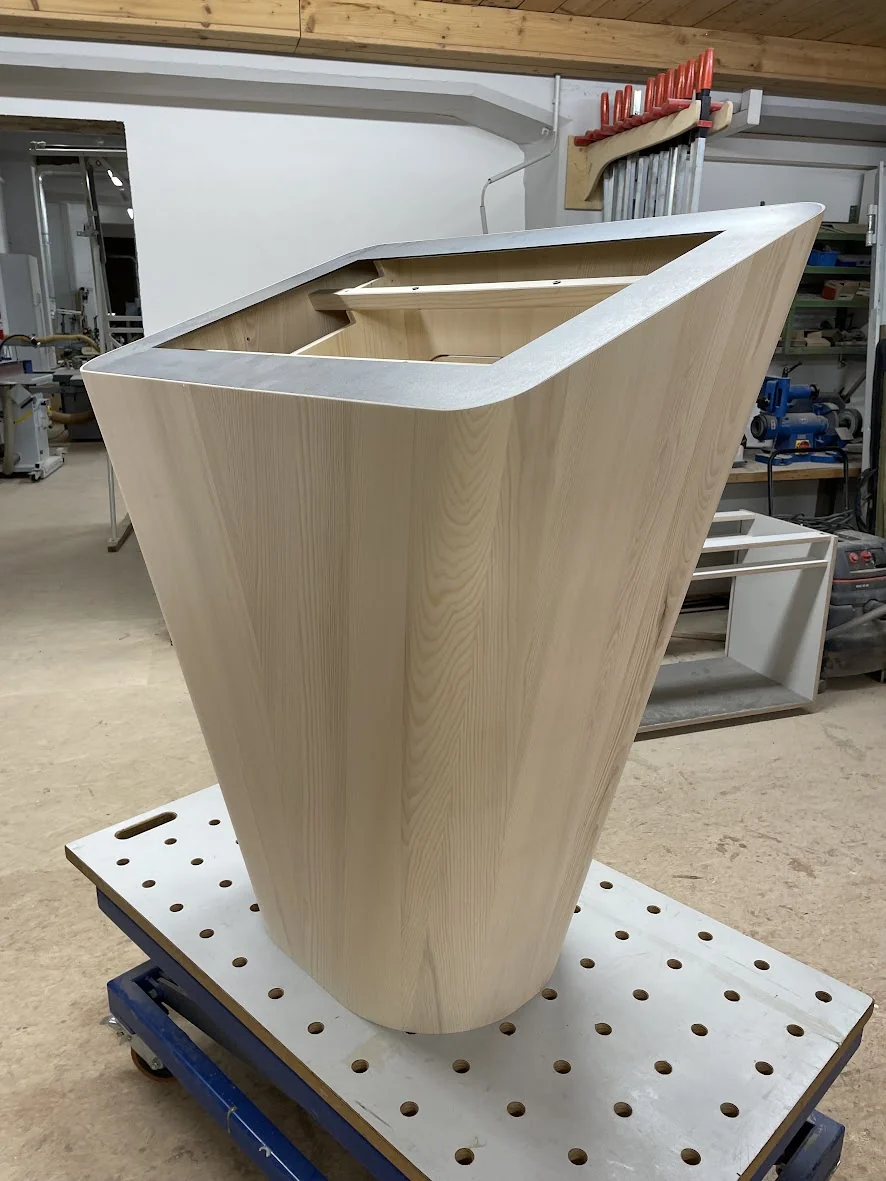
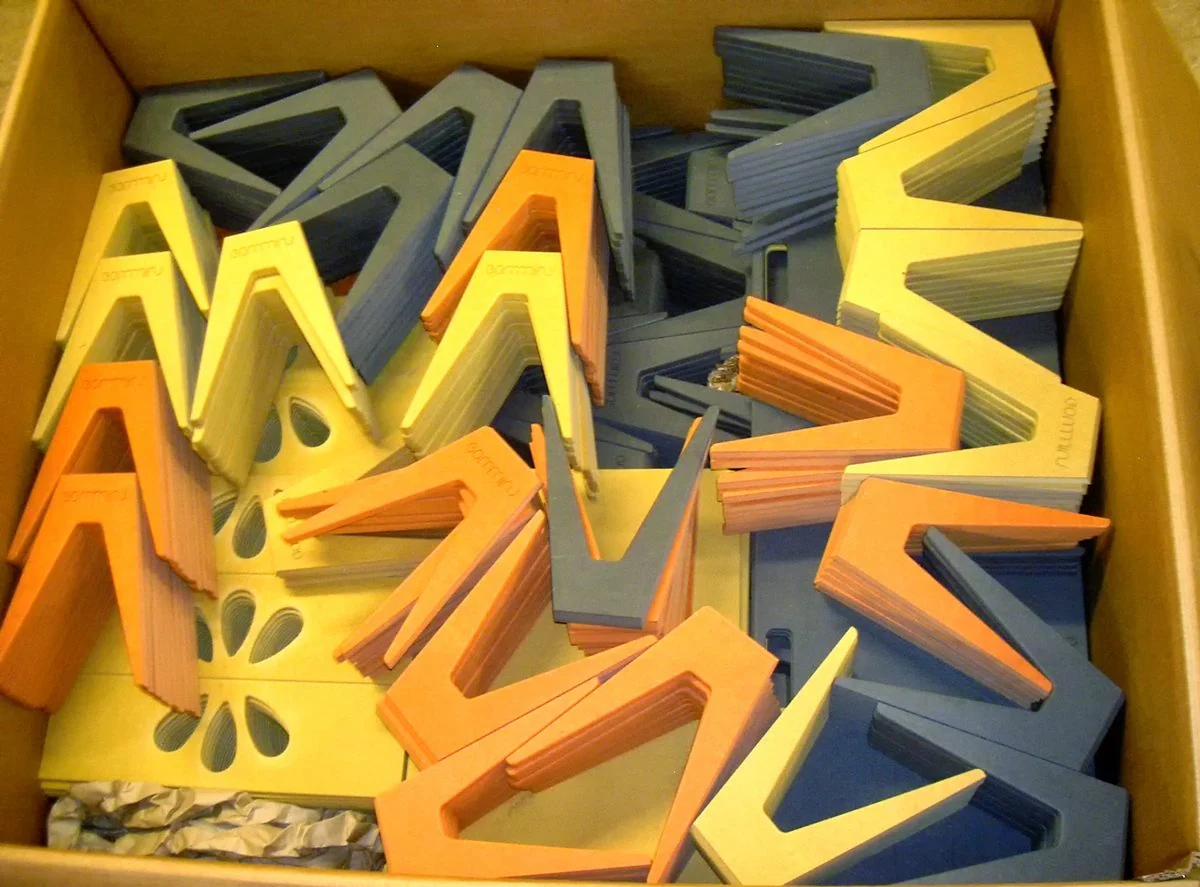
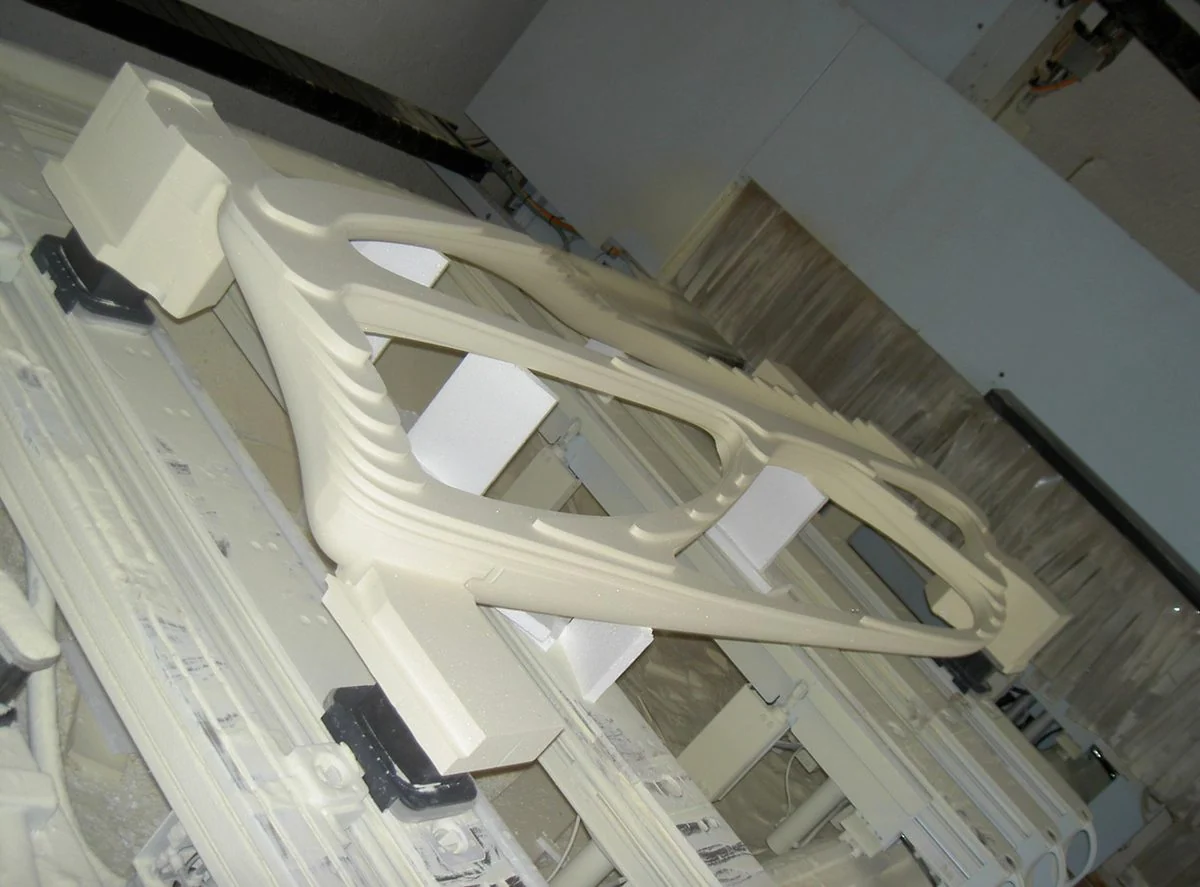
We also manufacture large components, preparing the blanks in-house and optimising their construction for the intended geometry and machining.
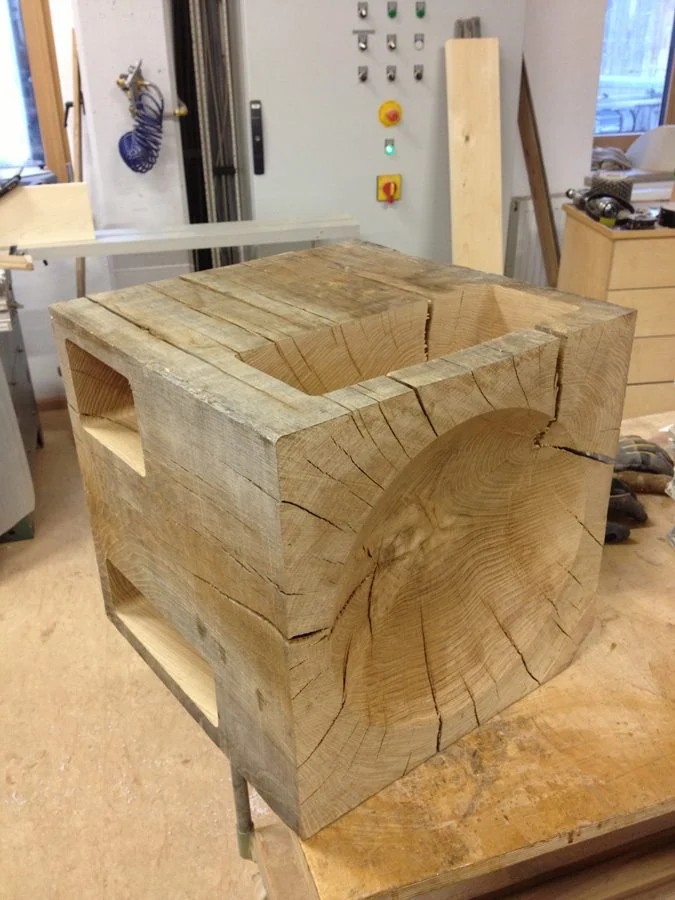
Material use, workholding and the manufacturing sequence are considered together from the preparation stage. The blank construction is matched to the finished component, as shown here with a large wood-based workpiece.
Free-form surfaces, spatial contours, drilling and multi-sided machining. The strategy follows the geometry, material and workholding.
02
Materials
Solid wood, wood-based panels and MDF, alongside a broad range of plastics. Both material groups are equally central to our supply service. Processing is matched to the material and its intended use.
03
One-off to series
Prototypes, one-off parts and runs of 1 to 500 components. Batch size, fixtures and programming are considered together.
04
Konstruktion & Reverse Engineering
We develop manufacturing geometry from drawings, sketches or samples. Existing CAD data can also be the starting point.
05
CO₂-Laser · 300 W
Cutting and engraving complement CNC machining. Material and processing are agreed for your project.
Internal threads and holes in plastic components produced in series
Thread milling
Threads. Directly in the material.
We machine internal and external threads in wood and suitable plastics, with left- or right-hand threads and a suitable pitch. Material, thread dimensions and intended loading determine the design for your component.
Solid wood, wood-based panels and suitable plastics behave differently. An enquiry should include material, dimensions, quantity and desired finish. Tell us whether you supply the stock and need machining only or a finished component.
More about the application
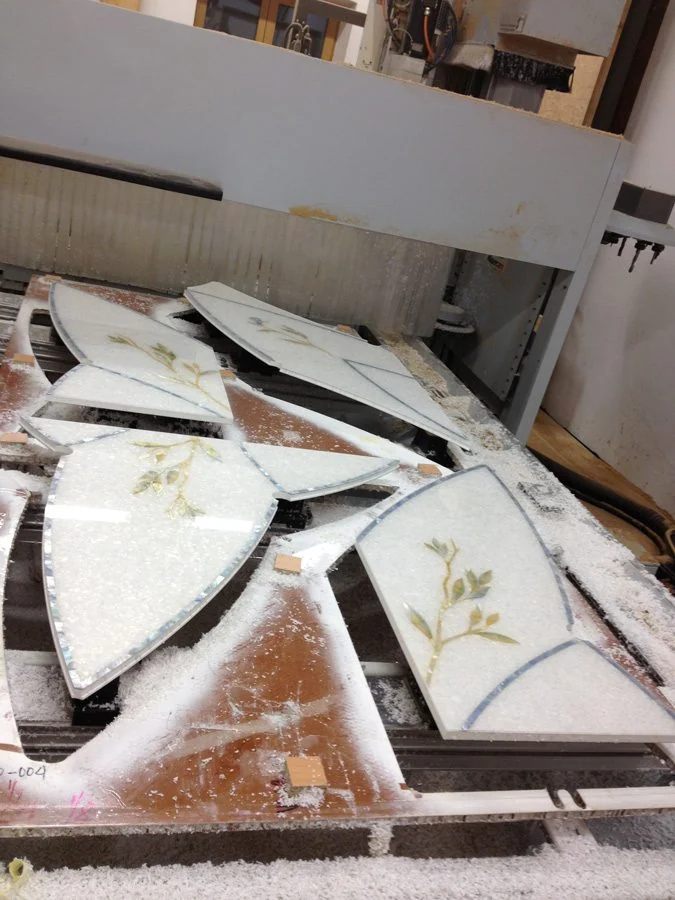
Beyond solid wood and MDF, possible materials subject to assessment include plastic or foam modelling blocks, POM, acrylic, solid-surface materials, mother-of-pearl and paper composites. Suitable cutting behaviour, secure workholding and appropriate tools are essential. Burl and reclaimed wood present additional challenges due to their structure.
Solid timber plank on the CNC machine table for face millingHemisphere with vector milling in SikaBlockModel-making in balsa wood with a specialised workholding setup.
Show 11 more imagesCollapse image gallery
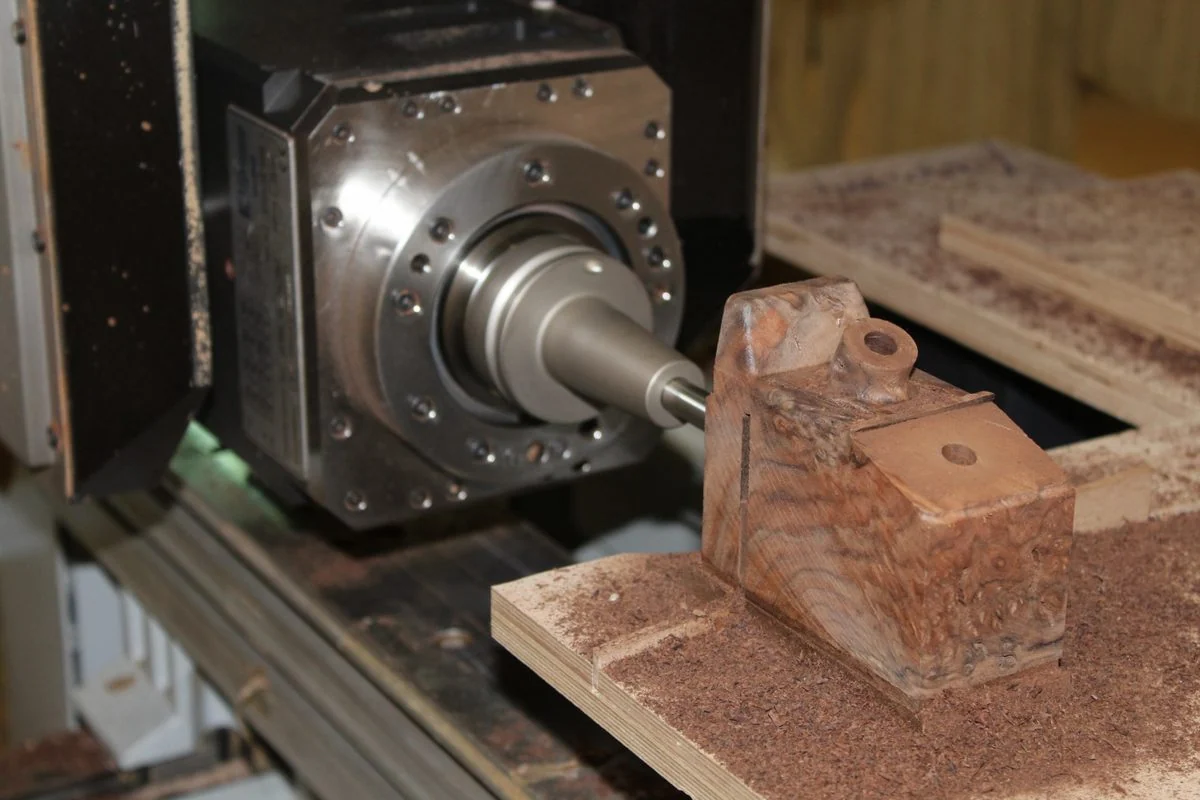
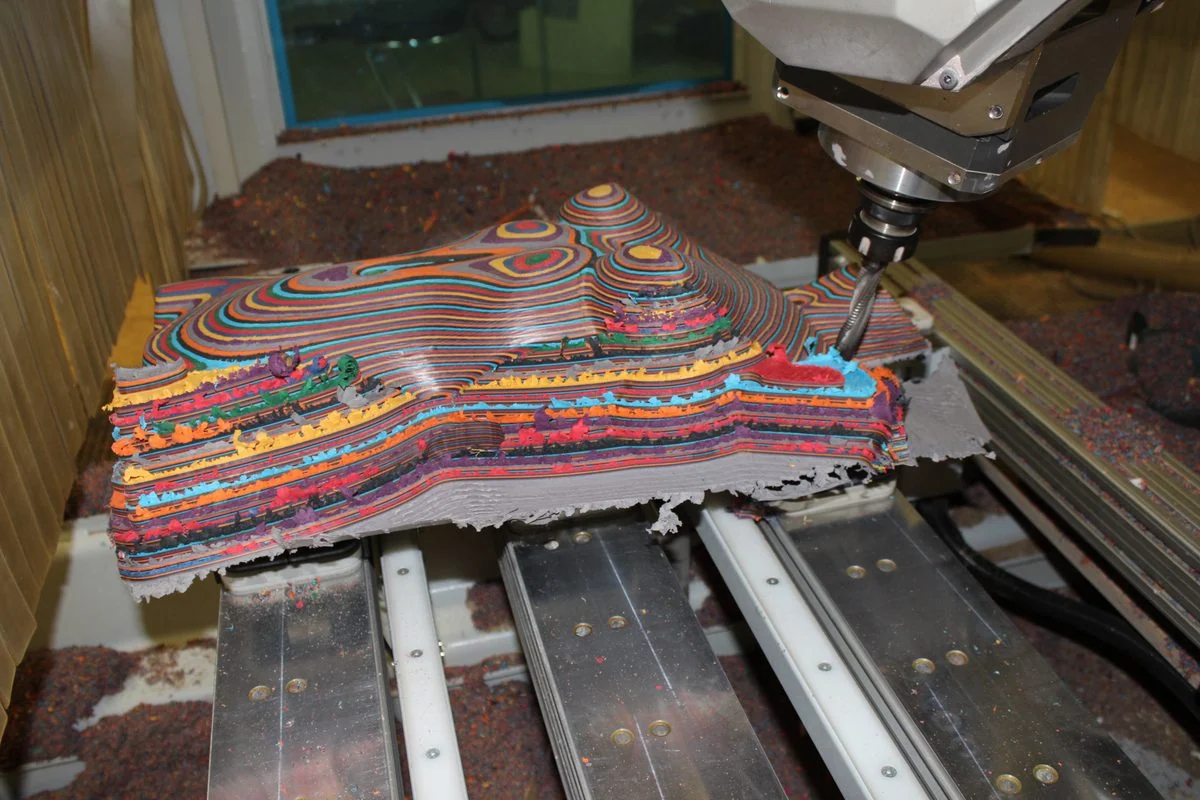
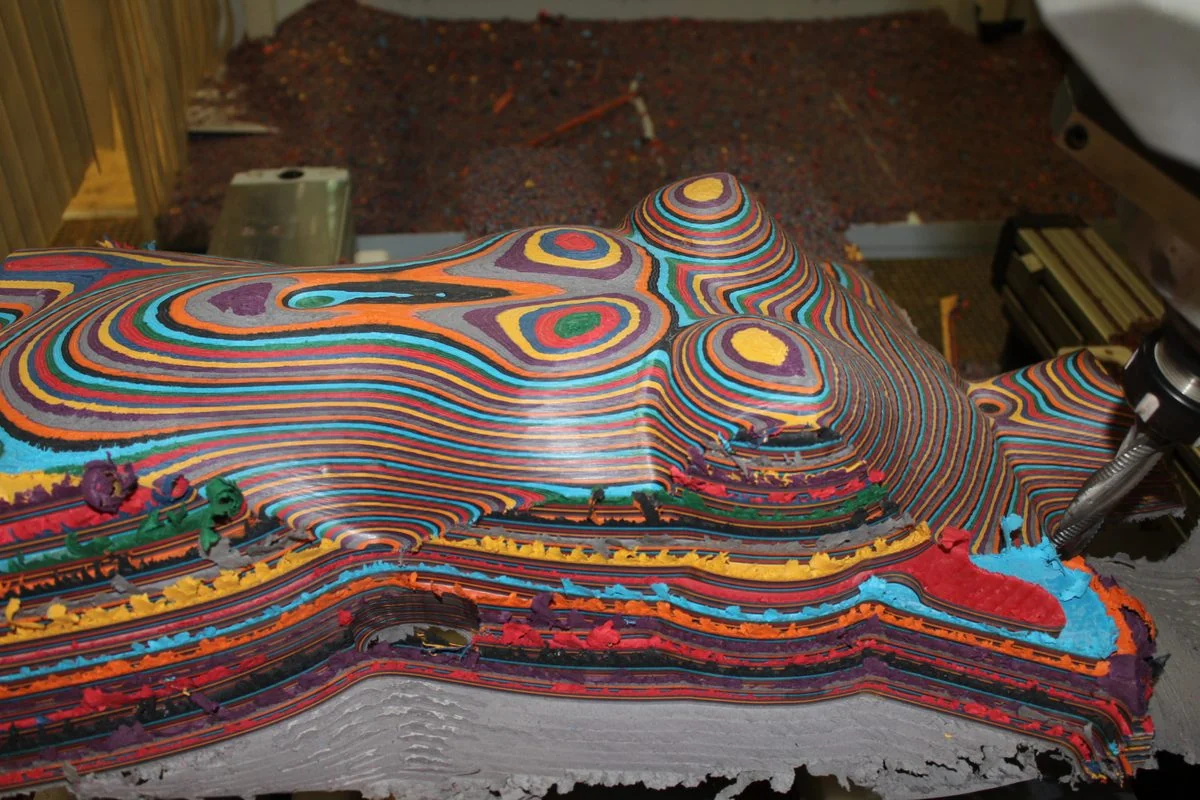
Contour milling in burl woodPaper block with layers of different coloursClose-up of the paper blockFormed solid-surface material: engraving and ventilation slotsTrimming panels faced with mother-of-pearlSolid oak cube with various milled featuresAcrylic machiningFacet milling in a foam blockSmall components manufactured from Valchromat panelsModel and mould making: milling a car door in a foam block.Mould making: milling a foam block to CAD specifications
Initial setup costs & unit costs
Design, programming, special tools and fixtures involve work before the first part. Unit costs depend on the agreed batch size, so a one-off does not simply cost the same as one item from a series.
More about the application
For a quotation, send the data you intend to use for manufacturing wherever possible. Reconstructing geometry from sketches, PDF drawings or a physical sample may require additional design work. Where appropriate, a prototype can be agreed for approval before a production run.
Experience since 2006
20 years of practice. A specialism built over time.
Our strength lies in combining design, our own CAD/CAM programming and practical manufacturing. We have built that knowledge over 20 years, including difficult paths and setbacks. Today it helps us approach demanding work with greater insight from the outset. Our aim remains to keep working towards perfection with every new project.
STEP, DXF or existing drawings, with critical dimensions, fits, tolerances and intended use.
Material & quantity
Exact material designation, ideally with a data sheet for plastics. Include stock dimensions, batch size and desired finish, and whether you supply the material.
Timing & scope
Preferred deadline, required processing and full company address. We clarify remaining details together.
Dimensional tolerances, finishes and delivery dates are agreed for each order.
Sketches, CAD data or photos help us understand your task. Include material, dimensions, quantity and your preferred deadline.
02
Define the approach
We review your information and discuss the manufacturing process, open questions and the scope of work required.
03
Make it happen
Your component or CNC programs are produced to the agreed requirements, ready for the next stage of your project.
Before you commission us
Ready for manufacturing.
What data do you need?
Ideally, send existing CAD data such as STEP or DXF together with a drawing and relevant dimensions. Sketches, photos and physical samples can also provide a starting point. Additional design work is considered for each project.
Can you make a single piece?
Yes. We make one-off pieces, prototypes and series. The practical cost depends on geometry, material, programming and any fixtures required. Our minimum order value is €500 including VAT.
How do setup costs and unit costs differ?
Initial costs cover design, programming, special tools and fixtures before the first part is made. A prototype for approval can be agreed where appropriate. Unit costs are based on the quoted batch size, so changing the quantity can change the calculation.
What is needed for a CNC program?
Alongside component data, we need details of your machine and control, plus complete tool and workholding data. Compatibility with your machine and the specific machining task is agreed before commissioning.
Who supplies the material and finish?
We agree this with you. Please tell us whether you will supply the material, and whether you need machining only or further processing.
How should I send an enquiry?
Please email your full postal address and available project documentation. Our enquiry assistant gathers the essential information, then opens your email application.